
Starting a retro game collection can be a rewarding journey that not only satisfies nostalgia but also offers a chance to own a piece of gaming history. However, the prospect of collecting retro games can seem daunting, especially when you’re on a budget. This guide will help you navigate the ins and outs of building a collection without breaking the bank.
Understanding the Basics of Retro Game Collecting
Before diving into the world of retro game collecting, it’s essential to understand what you’re getting into. Retro games typically refer to video games from previous console generations, usually spanning from the late 1970s to the early 2000s. These include titles from systems like the NES, SNES, Sega Genesis, and PlayStation 1.
While some games are reasonably priced, others can be rare and expensive due to limited production runs, popularity, or condition. Knowing what you want to collect and why is crucial. Are you interested in completing full sets for a specific console, or are you more interested in collecting games from a particular genre or publisher? Clarifying your goals will help focus your efforts and budget.
Setting a Budget and Sticking to It
A critical step in starting any collection is setting a realistic budget. Determine how much you’re willing to spend each month or on each purchase. This keeps your collecting hobby enjoyable and prevents financial strain.
Consider starting with a modest budget and gradually increasing it as you become more familiar with the market. This approach allows you to make informed decisions and reduce the chance of overspending on your initial purchases.
Finding Cost-Effective Sources
One of the best ways to find affordable retro games is by exploring various sources. Here are some to consider:
- Flea Markets and Garage Sales: These can be treasure troves for retro games, often at lower prices than online marketplaces.
- Online Marketplaces: Websites like eBay, Craigslist, and Facebook Marketplace can offer a wide range of games. Look for auctions or bundles to save money.
- Thrift Stores: While hit-or-miss, thrift stores occasionally have retro games at bargain prices.
- Local Game Stores: Some local game stores specialize in retro games and may offer better prices than online sellers. Building a rapport with store owners can sometimes lead to insider deals or early information about new stock.
Assessing Game Condition and Authenticity
When collecting on a budget, it’s crucial to balance cost with quality. Understanding the condition of a game is vital, as it affects both playability and value. Look for games with minimal wear on the cartridge or disc, intact labels, and original packaging if possible.
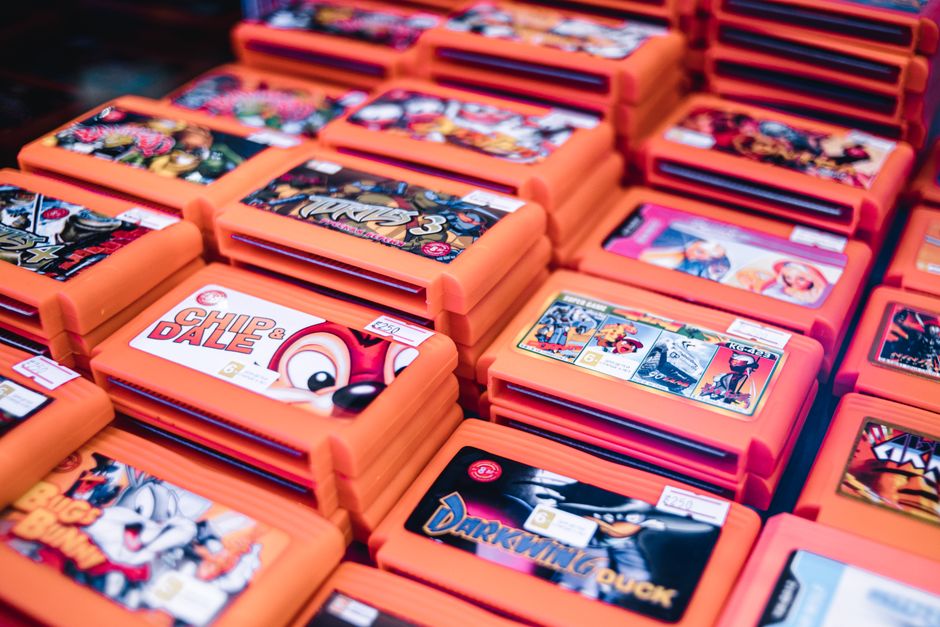
Authenticity is another important factor. Counterfeit games can be prevalent, especially for high-demand titles. Educate yourself on identifying genuine items by checking for markings, labels, and other distinguishing features.
Repair and Restoration
Sometimes, you may find a great deal on a game in less-than-perfect condition. Learning basic repair and cleaning techniques can be beneficial. For instance, cleaning cartridge contacts with isopropyl alcohol or replacing worn labels can restore a game’s appearance and functionality.
Prioritizing Your Purchases
When starting a collection, it’s easy to get carried away and buy everything that catches your eye. However, prioritizing your purchases can help you stay within budget and build a meaningful collection.
Focus on acquiring games you loved playing in the past or titles that are significant to gaming history. This personal connection will make your collection more satisfying and meaningful.
Building a Community
Engaging with other collectors can provide valuable insights and tips on where to find deals. Join online forums, social media groups, or attend local retro gaming events to meet like-minded enthusiasts.
These communities are not only great for finding games but also for trading and sharing knowledge, which can further stretch your budget.
Common Mistakes to Avoid
As you start your collection, be mindful of common pitfalls that can derail your budget or collecting goals.
- Impulse Buying: Always research the average market value of a game to avoid overpaying.
- Ignoring Shipping Costs: When purchasing online, factor in shipping expenses as they can significantly increase the total cost.
- Chasing Fads: Stick to your collecting goals. Don’t be swayed by sudden trends that can inflate game prices temporarily.
By keeping these strategies and tips in mind, you can start building a retro game collection that is both enjoyable and financially sustainable.

Unlock Full Article
Watch a quick video to get instant access.