Modern game design feels advanced — open worlds, skill trees, cinematic storytelling, live services.
But many of those systems were not invented recently.
They were prototyped decades ago.
Here are ten retro games that quietly shaped how modern titles are built.
1. The Legend of Zelda (1986)
The Legend of Zelda
Long before open-world checklists, Zelda dropped players into a map with minimal guidance.
Exploration-driven progression, hidden secrets, and nonlinear design foreshadowed modern open-world philosophy.
2. Metroid (1986)
Metroid
Ability-gated exploration became a blueprint for entire genres.
Modern “Metroidvania” games owe their structure to this foundational design.
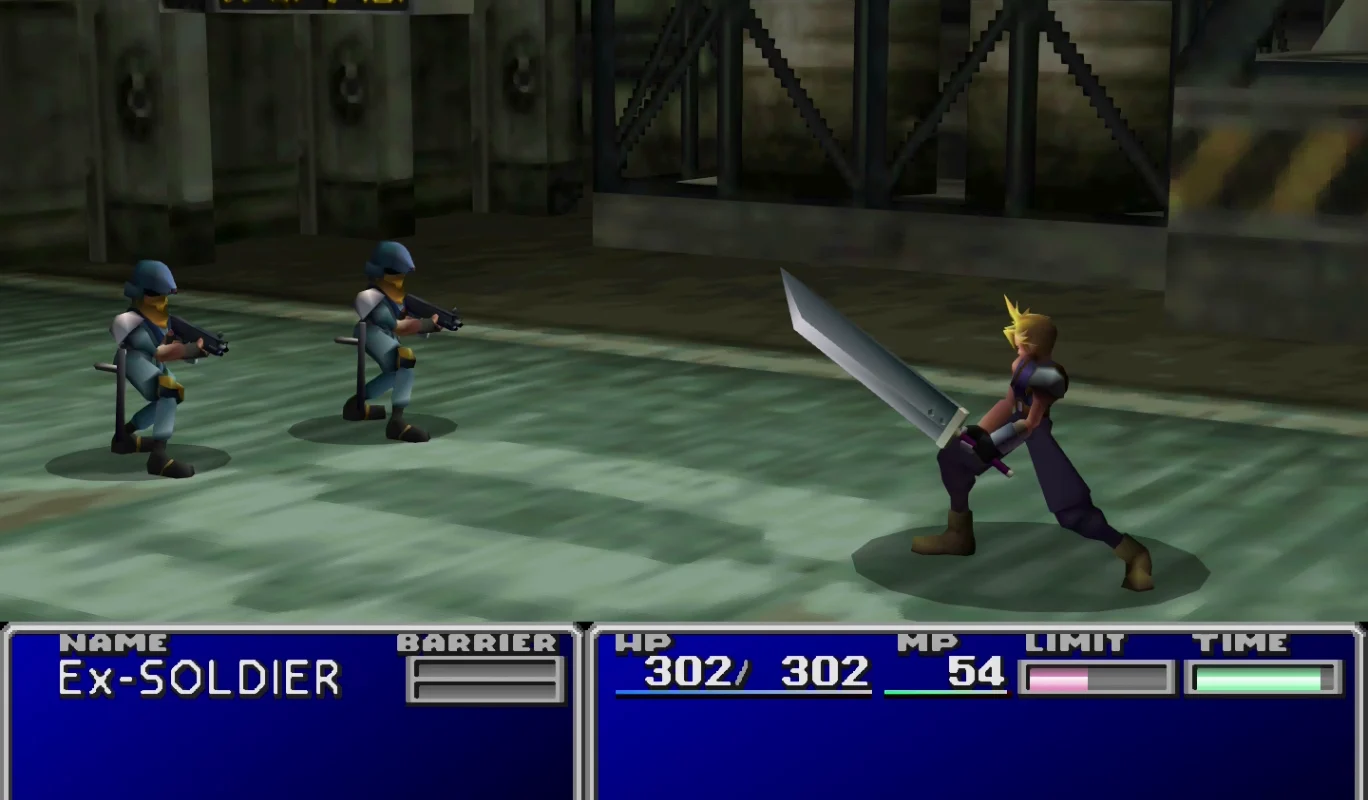
3. Final Fantasy VII (1997)
Final Fantasy VII
Cinematic storytelling, character-driven arcs, and large-scale worldbuilding laid groundwork for today’s narrative-heavy RPGs.
It demonstrated that games could deliver emotional storytelling at blockbuster scale.
4. Super Mario 64 (1996)
Super Mario 64
This title effectively invented 3D platforming standards.
Camera control, open hub worlds, and mission-based level design remain industry staples.
5. Metal Gear Solid (1998)
Metal Gear Solid
Cinematic cutscenes, voice acting, stealth mechanics, and meta storytelling shaped modern stealth-action franchises.
It blurred the line between film and interactive narrative.
6. Street Fighter II (1991)
Street Fighter II
Competitive balance, character selection diversity, and matchup depth created the blueprint for modern esports design.
Fighting games, MOBAs, and competitive shooters still reflect its structure.
7. Chrono Trigger (1995)
Chrono Trigger
Multiple endings and player-driven narrative outcomes predated modern branching-choice systems.
It proved that player decisions could shape replayability.
8. Diablo (1996)
Diablo
Loot-driven progression, randomized dungeons, and addictive upgrade loops laid the foundation for modern action RPGs and live-service loot systems.
9. Castlevania: Symphony of the Night (1997)
Castlevania: Symphony of the Night
Open-ended map exploration combined with RPG leveling mechanics influenced countless indie and AAA titles alike.
Its design philosophy remains highly replicated.
10. SimCity 2000 (1993)
SimCity 2000
City management systems, infrastructure planning, and sandbox simulation anticipated the rise of modern strategy and life-simulation games.
Player-driven creation replaced linear objectives.
Why These Games Still Matter
What makes these titles remarkable is not nostalgia.
It is innovation under limitation.
Without modern hardware, developers relied on:
- Tight mechanics
- Strong progression systems
- Creative world design
- Clear player agency
Many modern games refine these ideas — but the blueprint already existed.
The Pattern
Looking at these ten games, a pattern emerges:
- Exploration-based freedom
- Player-driven progression
- Cinematic storytelling
- Competitive balance
- Sandbox creativity
Retro design was not primitive.
It was foundational.
Modern AAA titles often appear revolutionary.
In reality, they build upon decades-old frameworks.
The most influential design ideas did not emerge in the era of 4K resolution and ray tracing.
They were born when cartridges had limited memory and developers had to innovate with constraint.
Retro games predicted the future — not because they had better technology, but because they understood core player psychology.
Fun. Agency. Challenge. Discovery.
Those principles remain timeless.

Unlock Full Article
Watch a quick video to get instant access.