In every console generation, the same comparison appears:
Which system is more powerful?
Higher frame rates.
Better graphics.
More teraflops.
And almost every generation, Nintendo chooses not to compete in that race.
Yet somehow, it continues to thrive.
Why?
Because Nintendo is not trying to win the hardware war.
It is playing a different game entirely.
The Power Gap Is Real
Compared to competing consoles, the Nintendo Switch launched with significantly less raw processing power.
Even at release, it could not match the graphical output of other major systems.
But hardware limitations have never been Nintendo’s primary concern.
The company focuses on experience over performance metrics.
Gameplay First, Hardware Second
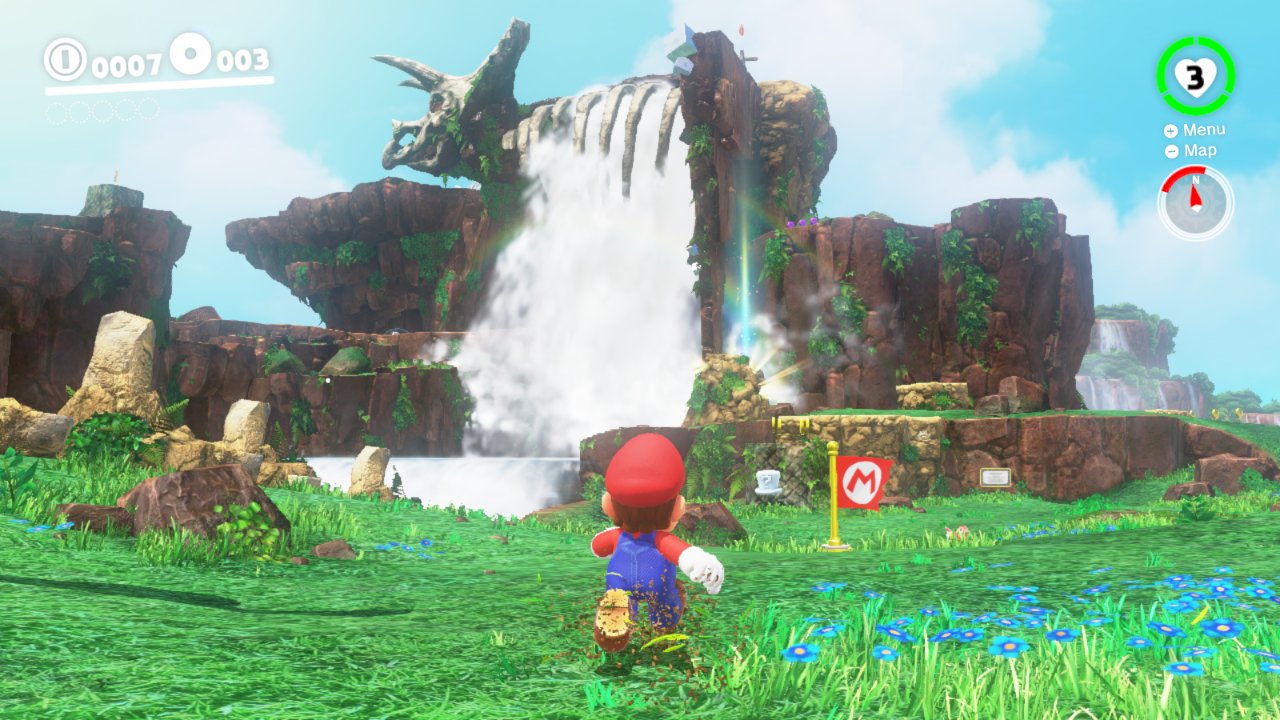
Titles like The Legend of Zelda: Breath of the Wild and Super Mario Odyssey demonstrate this philosophy clearly.
They are not defined by graphical realism.
They are defined by design.
Breath of the Wild reinvented open-world exploration through player freedom and physics-driven systems.
Super Mario Odyssey prioritized creativity and movement fluidity.
Both became generation-defining titles — without leading in technical power.
Innovation Over Escalation
While competitors increase performance benchmarks each cycle, Nintendo experiments with form factor.
The Switch introduced a hybrid model — handheld and console in one device.
This redefined portability and accessibility.
Rather than competing in the traditional power arms race, Nintendo reframed the conversation.
Convenience became the selling point.
Exclusive Identity
Nintendo’s strength lies in its intellectual properties.
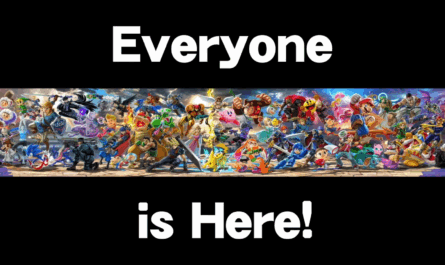
Mario. Zelda. Pokémon. Smash Bros.
These franchises create loyalty independent of hardware specifications.
Players purchase Nintendo consoles for experiences they cannot access elsewhere.
Brand identity outweighs performance comparisons.
Audience Expansion
Nintendo consistently reaches audiences beyond traditional “core” gamers.
Families. Casual players. Younger audiences.
The accessibility of its design lowers barriers to entry.
Bright art direction and intuitive controls broaden appeal.
Competing solely on power would narrow that demographic reach.
Cost Efficiency
By not chasing top-tier hardware, Nintendo can manage production costs differently.
Lower manufacturing complexity supports competitive pricing.
The company focuses on profitability rather than hardware prestige.
This strategy has historically insulated Nintendo during industry downturns.
The Risk and the Reward
Avoiding the power race is not without risk.
Third-party developers sometimes struggle to port high-end titles to Nintendo hardware.
Graphical compromises are occasionally unavoidable.
Yet Nintendo offsets this by prioritizing first-party exclusives that fully leverage the system’s capabilities.
The hardware is designed around the games — not the other way around.
Why It Works
Nintendo succeeds because it understands a key principle:
Players remember experiences, not specifications.
They remember discovering a shrine in Breath of the Wild.
They remember local multiplayer chaos in Mario Kart.
They remember handheld gaming during travel.
Those experiences are platform-specific, not power-specific.
The Bigger Strategy
While competitors focus on resolution and performance metrics, Nintendo builds ecosystems centered on:
- Creativity
- Accessibility
- Portability
- Franchise loyalty
It refuses to compete directly — and instead competes differently.
Nintendo’s refusal to chase raw power is intentional.
It shifts focus toward design innovation and audience expansion.
In an industry obsessed with hardware benchmarks, Nintendo’s strategy stands apart.
And despite technical limitations, it consistently delivers some of the most memorable experiences in gaming.
Sometimes, winning is not about being the strongest.
It is about redefining what strength means.

Unlock Full Article
Watch a quick video to get instant access.