
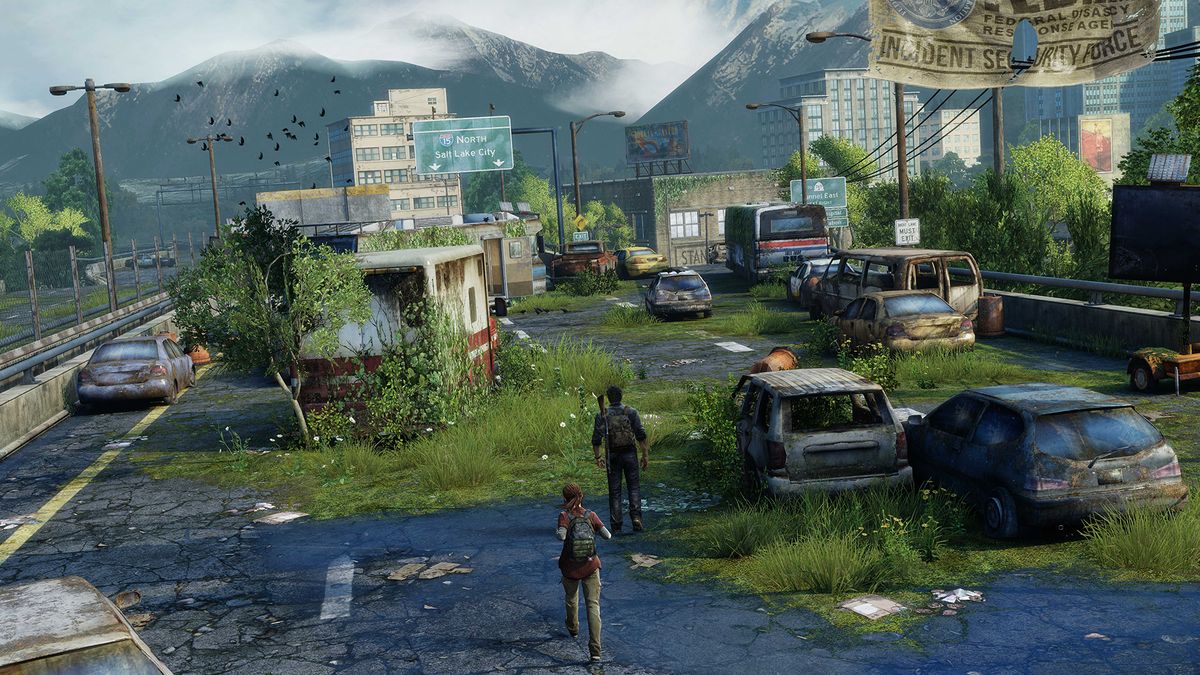
The Exclusive That Changed Expectations
When discussing PlayStation exclusives, several iconic titles come to mind.
But few shifted the industry the way The Last of Us did.
Released in 2013 on the PlayStation 3, it arrived at the end of a console generation — and redefined what players expected from story-driven games.
This was not just another survival title.
It was a turning point.
Cinematic Storytelling Without Losing Gameplay
Before The Last of Us, cinematic ambition in games often meant long cutscenes interrupting action.
This title blended narrative and gameplay in a way that felt seamless.
Dialogue occurred during exploration. Emotional stakes were tied directly to player actions. Combat felt grounded and consequential.
It proved that storytelling in games could rival film — without sacrificing interactivity.
Modern AAA titles continue to follow this blueprint.
Character Depth Over Spectacle
Joel and Ellie were not typical video game protagonists.
They were flawed. Vulnerable. Morally complicated.
Instead of relying on constant spectacle, the game built tension through relationships.
Moments of quiet — walking through abandoned buildings, scavenging for supplies — carried emotional weight.
This character-first approach influenced later titles across PlayStation and beyond.
Redefining Post-Apocalyptic Design
Zombie and survival games were not new.
But The Last of Us focused less on chaos and more on intimacy.
The infected were threats — but so were human factions.
Environmental storytelling told as much of the narrative as scripted scenes.
Abandoned houses, handwritten notes, subtle environmental details — these design choices created immersion that felt lived-in rather than theatrical.
The Power of Exclusivity
As a PlayStation exclusive, The Last of Us strengthened Sony’s brand identity.
It demonstrated that exclusives were not just about gameplay mechanics.
They were about emotional experiences that could not be found elsewhere.
Exclusives became prestige projects.
This model continued with titles like God of War and Horizon Zero Dawn, both of which followed a similar narrative-forward philosophy.
Technical Mastery at the End of a Generation
Released on aging hardware, The Last of Us pushed the PlayStation 3 to its limits.
Character animations, facial expressions, and environmental detail rivaled early PlayStation 4 titles.
It demonstrated what was possible when developers deeply understood a console’s architecture.
The remastered and remake versions later showcased how strong foundational design scales across generations.
Why It Still Matters Today
More than a decade later, its influence remains visible:
- Narrative-driven AAA games prioritize performance capture
- Emotional storytelling is central to marketing campaigns
- Player relationships drive engagement
It also sparked a broader conversation about games as serious storytelling mediums.
The eventual television adaptation reinforced its cultural impact beyond gaming.
The Generational Impact
For many players, The Last of Us represented the first time a video game felt emotionally heavy in the way cinema can.
It elevated expectations.
After experiencing that level of narrative depth, purely mechanical games began to feel incomplete to some audiences.
It did not eliminate gameplay-first design — but it shifted balance.
The Lasting Legacy
PlayStation exclusives have long defined the brand.
But The Last of Us did something rare.
It created a standard.
Not just for exclusives — but for the industry.
It proved that:
- Character depth drives engagement
- Atmosphere matters as much as action
- Emotional storytelling can coexist with mechanical challenge
That formula continues shaping modern design philosophy.
And that is why, years later, it still defines a generation.

Unlock Full Article
Watch a quick video to get instant access.