When selecting a gaming TV as a PC gamer, the array of technical specifications can be overwhelming. From refresh rates to adaptive sync technologies, several key features can significantly influence your gaming experience. This guide breaks down the most important specs to help you make an informed decision.
Refresh Rate: The Core of Smooth Gameplay
A TV’s refresh rate is crucial for smooth gameplay, especially in fast-paced games. Measured in hertz (Hz), this spec indicates how many times per second the screen can refresh the image. For PC gaming, a minimum of 120Hz is recommended, as this can dramatically reduce motion blur and input lag, providing a more fluid visual experience.
Why Higher Refresh Rates Matter
Higher refresh rates translate to smoother motion and can give competitive gamers an edge. While standard TVs often come with 60Hz, opting for 120Hz or even 240Hz can make fast-moving games appear more fluid. This is especially beneficial for first-person shooters or racing games where every millisecond counts.
Balancing Refresh Rate with Other Features
While a higher refresh rate is beneficial, ensure that your graphics card can support these rates. If your hardware is not powerful enough, you might not fully utilize the TV’s capabilities, making it an unnecessary expense.
Resolution: Finding the Right Fit
Resolution determines the clarity of the image. The most common options are Full HD (1080p), 4K (2160p), and 8K. For PC gamers, 4K is often the sweet spot, providing a high level of detail without overwhelming your system’s capabilities unless you have a top-tier graphics card.
Choosing Between 4K and 8K
While 8K offers stunning detail, it requires a highly powerful PC setup to maintain high frame rates at such resolutions. For most gamers, a 4K TV strikes a balance between visual quality and performance efficiency.
Consider Your Gaming Space
Keep in mind the size of your screen and the distance you will be viewing from. Larger screens benefit more from higher resolutions, as the difference is more noticeable.
Adaptive Sync Technologies: G-Sync vs. FreeSync
Adaptive sync technologies like G-Sync (NVIDIA) and FreeSync (AMD) are designed to eliminate screen tearing and stuttering. These occur when the TV’s refresh rate and the GPU’s output are out of sync.
Understanding G-Sync and FreeSync
G-Sync and FreeSync dynamically adjust the TV’s refresh rate to match the frame rate output from your PC, creating a smoother visual output. Choosing between them depends on your graphics card manufacturer. Ensure compatibility to fully benefit from these technologies.
The Impact on Gaming Experience
By reducing visual artifacts, adaptive sync enhances gameplay fluidity. This is particularly noticeable in open-world games and other genres with variable frame rates.
Input Lag: Keeping Your Reactions Sharp
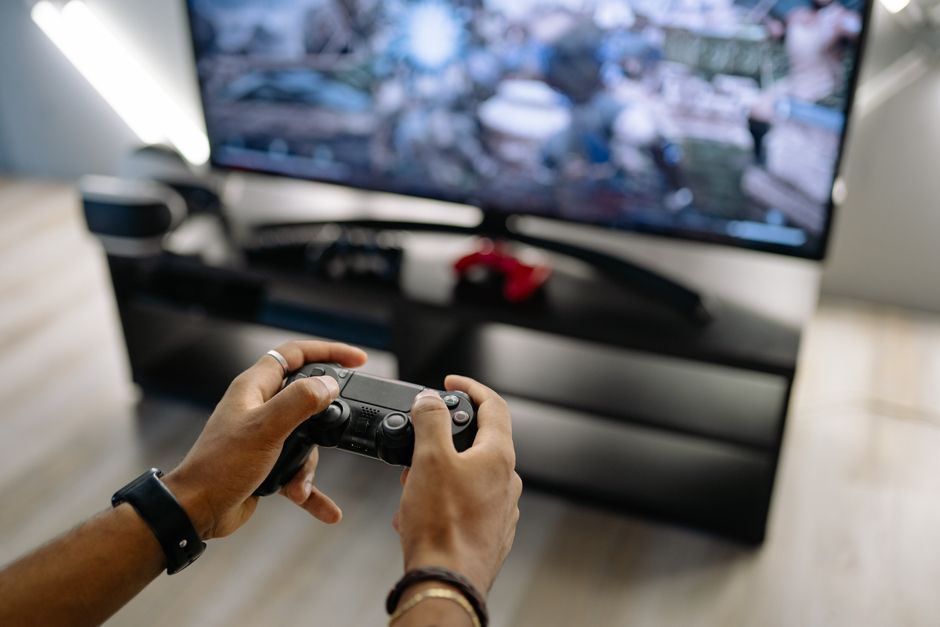
Input lag can be a game-changer. It refers to the delay between pressing a button and seeing the action on screen. For competitive gaming, low input lag is crucial.
What to Look For
Many gaming TVs now offer “game modes” which optimize settings to reduce lag. Aim for TVs advertising low input lag, typically under 20 milliseconds, for the best performance.
Test Before You Buy
If possible, test a TV’s input lag in-store with a demo unit to ensure it meets your expectations. Reviews and user feedback can also provide insights into a model’s performance.
HDR: Enhancing Visuals with High Dynamic Range
High Dynamic Range (HDR) expands the range of color and contrast, resulting in a more vibrant and realistic image. For gamers, this means more immersive environments and lifelike graphics.
Understanding HDR Standards
There are various HDR standards, such as HDR10 and Dolby Vision. HDR10 is widely supported and provides noticeable improvements in visual quality. Dolby Vision offers an even greater range but is less commonly supported by gaming titles.
Is HDR Worth It for Gamers?
If your favorite games and platform support HDR, it can be a worthwhile investment. The enhanced graphics can add depth and richness to the gaming experience, making worlds appear more detailed and lifelike.
Common Mistakes to Avoid
When choosing a gaming TV, avoid these mistakes:
- Ignoring compatibility: Ensure your PC’s GPU supports the TV’s capabilities like 4K and adaptive sync technologies.
- Overlooking input lag: Don’t underestimate the importance of a low input lag for competitive gaming.
- Neglecting room setup: Consider your gaming space to ensure the TV size and resolution are appropriate for your viewing distance.
Conclusion: Making the Right Choice
Choosing the best gaming TV for your PC setup involves understanding your gaming needs and how different specifications affect your experience. By focusing on key specs like refresh rate, adaptive sync, and input lag, you can find a TV that enhances your gaming experience without unnecessary features. Remember to balance your choice with your PC’s capabilities to ensure you get the most out of your new display.

Unlock Full Article
Watch a quick video to get instant access.