
Organizing an esports tournament can be a thrilling but challenging endeavor, especially for beginners. Whether you’re a gaming enthusiast looking to create a local event or have aspirations for a larger-scale competition, this guide will walk you through the essential steps for making your tournament a success.
Step 1: Define Your Tournament Goals and Format
The first step in organizing your esports tournament is to clearly define what you hope to achieve. Are you aiming to promote a local gaming community, raise funds for a cause, or build a professional platform for competitive players? Your goals will influence every decision you make, from the scale of the event to the types of games you choose.
Choosing the Game and Format
Selecting the right game is crucial. Consider games that are popular within your target audience and have a competitive scene. Games like League of Legends, Counter-Strike: Global Offensive, and Fortnite are popular choices due to their established fan base and spectator-friendly gameplay.
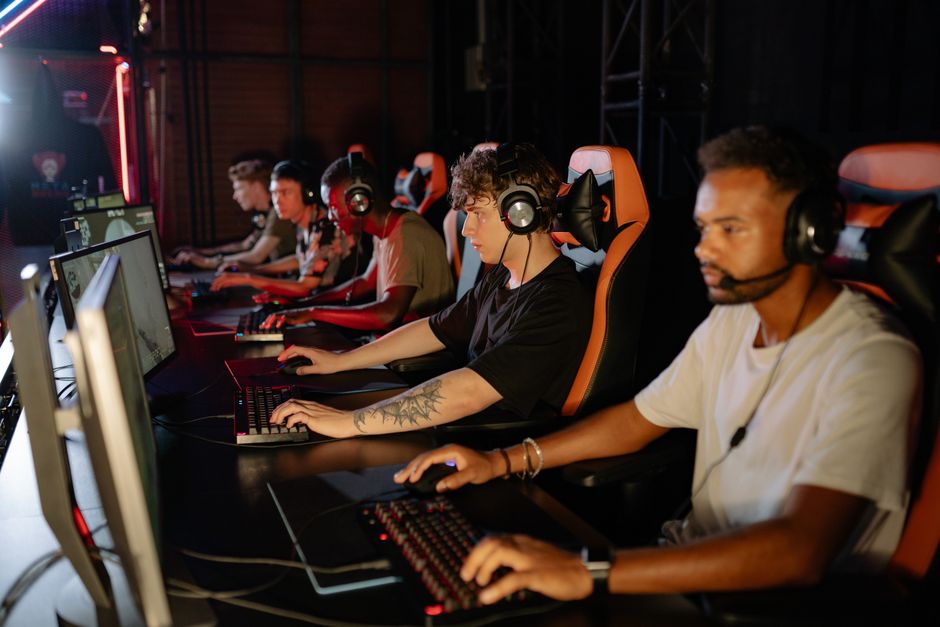
Next, decide on the format. Will it be a single-elimination, double-elimination, or round-robin tournament? Each format has its pros and cons. Single-elimination is straightforward but can be unforgiving, while double-elimination offers a second chance for competitors, making it more engaging for participants.
Step 2: Plan Your Logistics
Once you’ve settled on your goals and format, it’s time to dive into logistics. Start by setting a date and venue for your tournament. Consider the size of the venue, technical requirements, and accessibility for participants and spectators.
Technical Setup
Ensure you have the necessary equipment such as high-performance PCs, reliable internet connections, and broadcasting tools if you plan to stream the event online. Test all systems in advance to avoid technical issues on the day of the tournament.
Scheduling
Create a detailed schedule that covers all aspects of the tournament, including match times, breaks, and any additional activities like workshops or panels. This helps participants know what to expect and keeps the event on track.
Step 3: Assemble Your Team
No tournament is run by one person alone. Assemble a dedicated team to help manage different aspects of the event. Divide responsibilities among team members to cover areas such as operations, marketing, and player management.
Roles to Consider
- Event Coordinator: Oversees the overall execution of the tournament.
- Technical Support: Handles all tech-related concerns.
- Marketing Manager: Promotes the event through social media and other channels.
- Volunteer Coordinator: Manages a team of volunteers who assist during the event day.
Step 4: Secure Sponsorship and Funding
Funding is a critical component of any esports tournament. Start by drafting a sponsorship proposal that outlines the benefits for potential sponsors, such as brand exposure and audience engagement. Look for sponsors that align with the gaming industry or share an interest in your tournament’s goals.
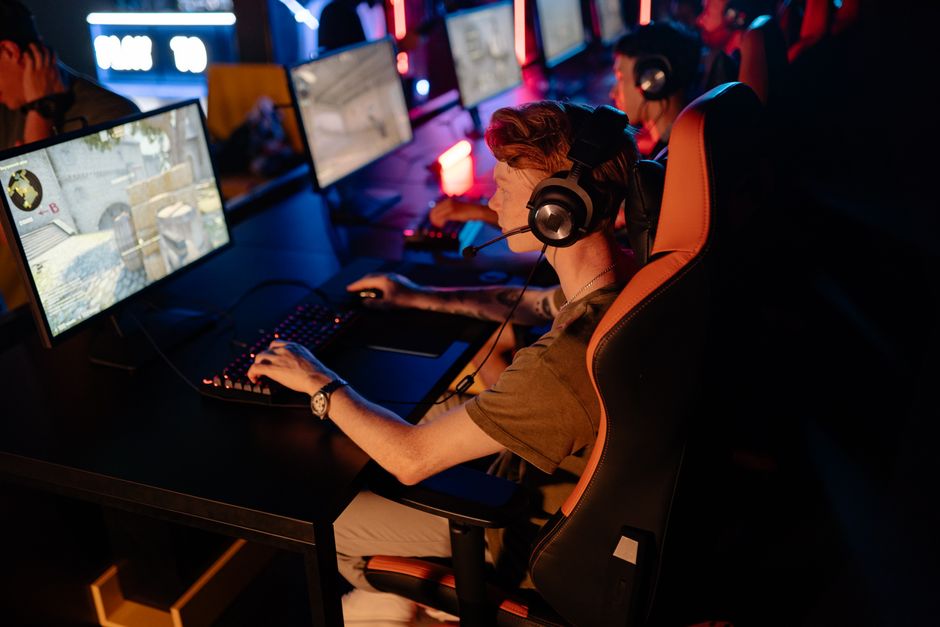
Possible Funding Sources
In addition to sponsorships, consider funding from entry fees, merchandise sales, and crowdfunding platforms. Be transparent about how funds will be used to gain the trust of participants and supporters.
Step 5: Promote Your Tournament
With everything in place, it’s time to spread the word about your tournament. Utilize social media platforms, gaming forums, and local communities to reach potential participants and spectators.
Creating Buzz
Engage with your audience by sharing regular updates, teaser videos, and behind-the-scenes content. Collaborate with influencers or streamers who can help amplify your message to a wider audience.
Step 6: Execute and Evaluate
On the day of the tournament, ensure that all team members are ready to manage their responsibilities. Maintain clear communication throughout the event to handle any unexpected challenges.
Post-tournament Evaluation
After the event concludes, conduct a debrief with your team to discuss what went well and what could be improved for future tournaments. Collect feedback from participants to refine your approach and enhance the overall experience.

Common Mistakes to Avoid
Beginner organizers often make similar mistakes, such as underestimating technical requirements or failing to promote the event effectively. Ensure you allocate enough resources to planning and promotion and always test your technical setup ahead of time.

Unlock Full Article
Watch a quick video to get instant access.