
For PC gamers, choosing the right graphics card is crucial, as it can significantly impact gaming performance and overall experience. In 2026, the competition between AMD and NVIDIA remains fierce, with both companies offering powerful options. This article explores their latest offerings, comparing performance, features, and value to help you make an informed decision.
Performance: Powerhouse GPUs in Action
Both AMD and NVIDIA have consistently pushed the boundaries of performance in their graphics cards. NVIDIA’s lineup is renowned for its high-end models often leading in raw power, making them favorites among gamers seeking the best possible frame rates and cutting-edge graphics. AMD, on the other hand, has gained ground by offering competitive performance at more budget-friendly prices, appealing to gamers who want excellent results without breaking the bank.
To evaluate performance, consider factors like frame rates in popular games, rendering capabilities, and how well the card handles high-resolution outputs. NVIDIA cards often excel in ray tracing and DLSS (Deep Learning Super Sampling) technology, enhancing visual fidelity. AMD cards, however, have made significant strides with technologies like FSR (FidelityFX Super Resolution), offering their own impressive upscaling techniques.
Features: Unique Offerings Enhancing Gameplay
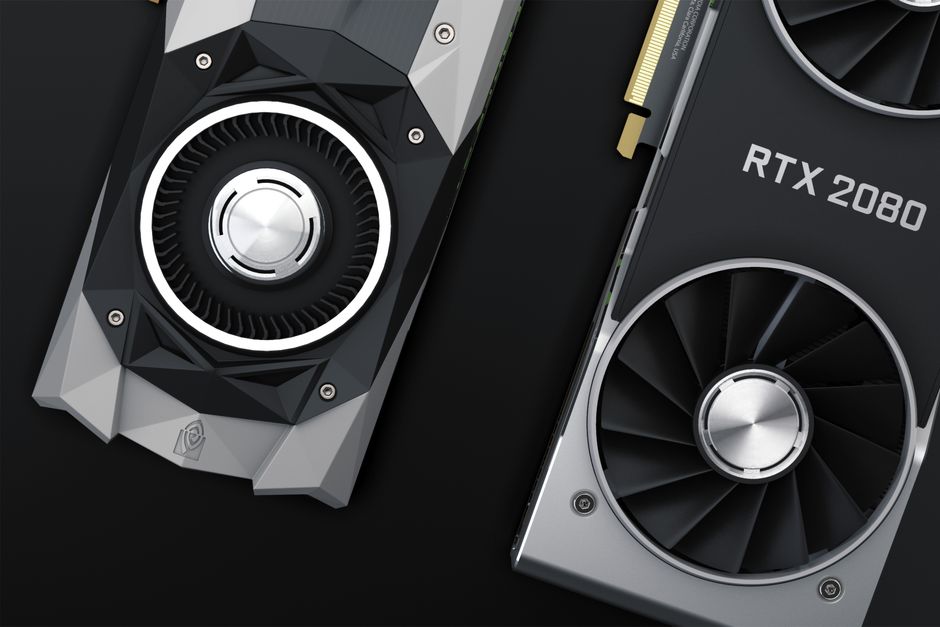
Both brands offer distinct features that cater to different gaming needs. NVIDIA is known for its RTX series, which includes real-time ray tracing—a feature that simulates light behavior to create more realistic visuals. Their DLSS technology also stands out, providing performance boosts without sacrificing image quality.
AMD, meanwhile, has been innovating with technologies such as Smart Access Memory, which allows for better CPU-GPU communication, resulting in improved performance. They also emphasize open-source solutions, like Radeon Software, giving users more control over their settings and customizations.
Choosing the Right Features
When selecting a graphics card, prioritize features that align with your gaming habits. If you are interested in the latest visual enhancements, NVIDIA’s ray tracing might be a priority. However, if you value broader system optimization and open-source flexibility, AMD’s approach might be more appealing.
Value for Money: Striking a Balance
The cost of a graphics card can vary widely depending on its capabilities. NVIDIA’s high-end models are often priced at a premium, reflecting their performance and feature set. AMD cards, while also offering high performance, are generally more affordable, making them an attractive option for budget-conscious gamers.
When assessing value, consider not just the initial price but also the card’s longevity and how well it can handle future gaming demands. AMD often provides more VRAM at a given price point, which can be advantageous for future-proofing your system.
Common Mistakes to Avoid
- Overlooking Power Supply Requirements: Both AMD and NVIDIA cards demand sufficient power. Ensure your power supply unit (PSU) can support the card you choose.
- Ignoring Compatibility: Check motherboard compatibility, especially if you’re considering a PCIe 4.0 card, to ensure your system can fully utilize its capabilities.
- Forgetting About Cooling: High-performance cards generate heat; ensure your case has adequate airflow or consider aftermarket cooling solutions.
- Neglecting to Update Drivers: Regular updates are crucial for optimal performance and security.
FAQ: Answering Your Top Questions
Are NVIDIA cards always better for gaming?
Not necessarily. While NVIDIA often leads in high-end performance, AMD provides excellent value and competitive features, especially for those on a budget.
Does AMD support ray tracing?
Yes, AMD supports ray tracing on its latest cards, providing gamers with enhanced visual effects similar to NVIDIA’s offerings.
Conclusion: Making Your Decision
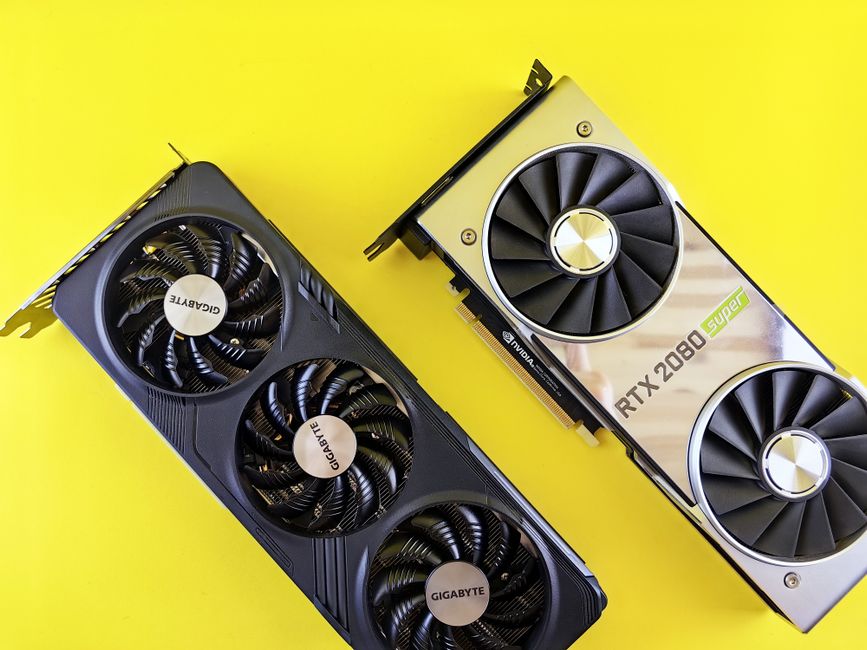
Choosing between AMD and NVIDIA graphics cards in 2026 depends on your specific needs, budget, and gaming preferences. NVIDIA offers cutting-edge features and top-tier performance for those who can invest in higher-end models, while AMD provides strong performance and value, making them a viable choice for a wider range of gamers. Consider what matters most to you—whether it’s raw power, innovative technologies, or cost-effectiveness—and choose accordingly.

Unlock Full Article
Watch a quick video to get instant access.