Retro game collecting can be a fulfilling hobby that not only takes you on a nostalgic journey but also connects you with a passionate community. If you’re a newcomer to this world, you may feel overwhelmed by the sheer variety of games and systems available. This guide will help you take your first steps into retro game collecting, offering practical advice on what to look for and pitfalls to avoid.
Understanding the Appeal of Retro Games
Before diving into collecting, it’s important to understand why retro games hold such value. Many collectors are drawn to these games due to their nostalgic value, the unique gameplay mechanics, or the desire to preserve digital history. Unlike modern games, retro titles often offer simpler gameplay and a charm that comes from the technical limitations of their time. Whether you’re interested in reliving childhood memories or exploring gaming history, these games have a lot to offer.
Another appeal is the collector’s value. Some retro games are rare and can become valuable commodities. However, entering the scene purely for potential financial gain might diminish the enjoyment of the hobby. It’s best to collect what you love and appreciate.
Where to Start Your Collection
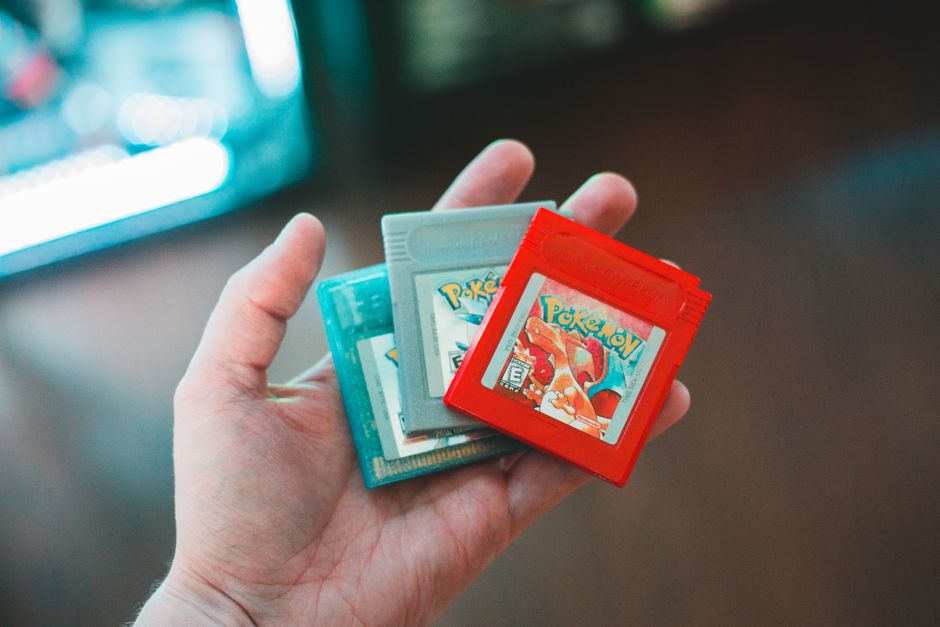
Starting a retro game collection begins with deciding on a focus. You might choose to collect games from a specific console, a genre, or even a particular series. This focus helps narrow down your options and makes it easier to manage your collection. Popular consoles among collectors include the Nintendo Entertainment System (NES), Super Nintendo Entertainment System (SNES), Sega Genesis, and PlayStation 1. Each system has its own unique library and community of fans, which can guide your collecting journey.
Once you’ve chosen a focus, the next step is to start acquiring games. Online marketplaces, retro game stores, and gaming conventions are great places to find titles for your collection. When buying online, be sure to check the seller’s reputation and research the going rates to avoid overpaying. Gaming conventions and retro stores often offer chances to physically inspect items before purchase, ensuring the game’s condition meets your standards.
What to Look for When Buying
Condition is paramount when collecting retro games. For cartridge-based games, look for clean labels, minimal wear, and intact casing. For disc-based games, inspect for scratches or discoloration. Authenticity is equally important, especially given the prevalence of reproductions and bootlegs. Always verify the game’s authenticity by checking for signs of tampering or comparing the item to known authentic copies.
Completeness can also add value to your collection. Games with original boxes, manuals, and inserts are generally more desirable. While complete sets might be more expensive, they can be worth the investment if you’re serious about collecting.
Common Pitfalls to Avoid
As a beginner, it’s easy to fall into certain traps. First, avoid impulse buying. It’s tempting to purchase a game simply because it’s available, but this can lead to a disorganized collection or buyer’s remorse. Take your time to research and plan your purchases.
Another common mistake is not setting a budget. It’s easy to overspend once you catch the collecting bug. Determine how much you’re willing to spend each month and stick to it. This will help you manage your finances while still enjoying the hobby.
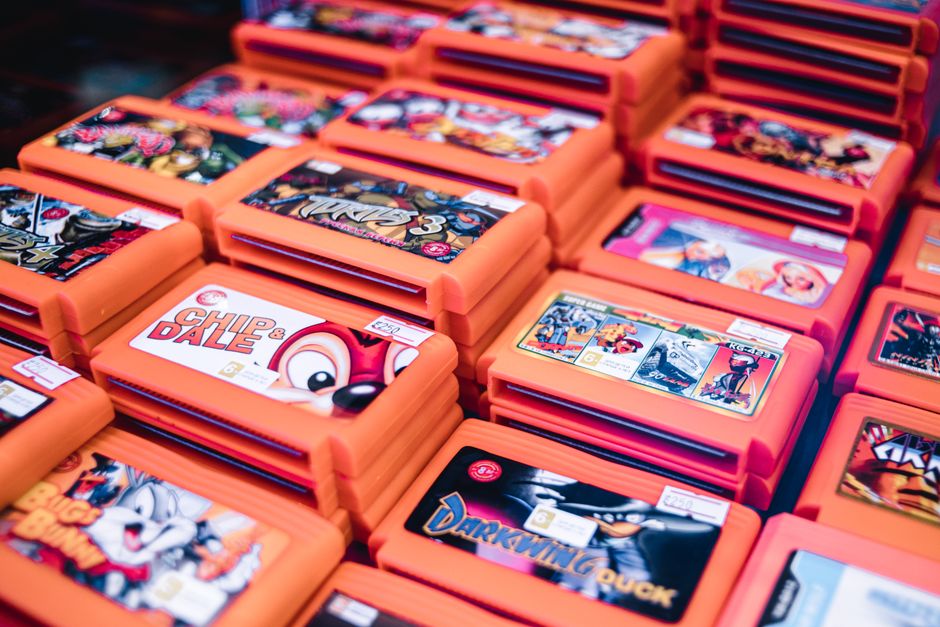
Finally, be wary of counterfeits. The retro game market is rife with reproductions. Educate yourself about distinguishing real from fake, and always buy from reputable sources.
Engaging with the Community
One of the most rewarding aspects of retro game collecting is the community. From forums and social media groups to local meetups and conventions, connecting with fellow collectors can enhance your experience. These communities offer a wealth of knowledge and can help you locate rare titles, authenticate purchases, and share your passion.
Participating in community events like swap meets and gaming expos can be particularly beneficial. These events provide opportunities to trade, buy, and sell games while meeting others who share your enthusiasm.
Maintaining Your Collection
Once you start amassing games, it’s crucial to maintain your collection. Proper storage is essential to preserving the condition of your games. Keep cartridges and discs in a cool, dry place away from direct sunlight. Consider using protective cases or sleeves to prevent damage.
Regularly clean your games and consoles to prevent dust buildup, which can affect functionality. Keeping an inventory of your collection can also be useful for tracking what you own and identifying any gaps you wish to fill.
Conclusion: Enjoying the Journey
Retro game collecting can be an exciting and rewarding hobby. By starting with a clear focus, buying wisely, and avoiding common mistakes, you can build a collection that brings you joy for years to come. Remember, the most important aspect of collecting is the enjoyment and connection it brings, both with the games themselves and the community of fellow enthusiasts.

Unlock Full Article
Watch a quick video to get instant access.