PC gaming is often defined by one word:
Power.
Ultra settings.
4K resolution.
Ray tracing.
High refresh rates.
For years, the narrative has been clear: PC gaming is superior because it delivers the best graphics.
But here is the dirty secret most experienced PC players already know:
Graphics are rarely the reason PC gaming feels better.
The Ultra Settings Illusion
Most modern PC games include detailed graphics sliders.
Shadow quality. Texture resolution. Ambient occlusion. Ray tracing. Post-processing.
The assumption is simple: higher equals better.
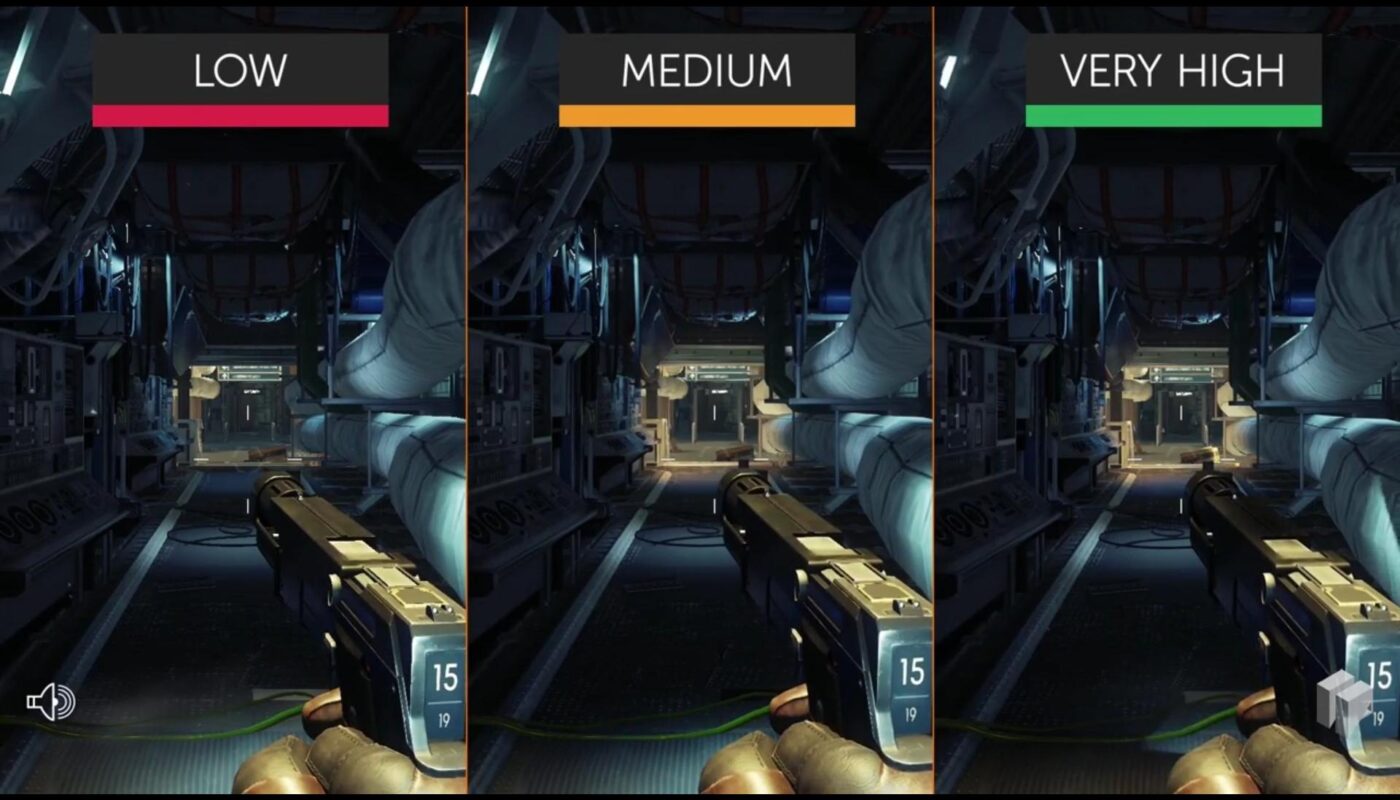
But in real gameplay, the difference between “High” and “Ultra” is often subtle — especially during motion.
In many cases, the performance trade-off is not worth the visual gain.
Frame Rate Changes Everything
Ask competitive players what matters most.
They will not say texture detail.
They will say frame rate.
Smooth motion at 120Hz or 144Hz feels dramatically different from 60Hz.
Responsiveness improves. Input lag decreases. Movement feels fluid.
This is not about visual realism.
It is about feel.
And feel is what defines gameplay satisfaction.
Customization Over Raw Power
The real advantage of PC gaming is control.
Players can:
- Adjust individual graphics settings
- Mod games
- Choose peripherals
- Optimize system performance
This flexibility allows tailoring the experience to personal preference.
It is not just about pushing graphics to the maximum.
It is about tuning performance for your needs.
Competitive Settings Tell the Truth
Look at professional esports players.
Many lower graphical settings intentionally.
Why?
Because higher frame rates and reduced visual clutter provide competitive advantages.
Sharp textures matter less than clear enemy visibility and stable performance.
The best PC setups prioritize consistency over cinematic beauty.
Indie Games Prove the Point
Some of the most popular PC titles are not graphical showcases.
Pixel art games. Stylized indie projects. Strategy titles.
Their success comes from mechanics and design — not visual realism.
High-end GPUs do not define engagement.
Gameplay does.
The Upgrade Cycle Pressure
PC culture often emphasizes constant upgrading.
New GPUs. New CPUs. Faster RAM.
Marketing reinforces the idea that better hardware equals better experience.
But diminishing returns are real.
After a certain threshold, performance gains become incremental rather than transformative.
Chasing maximum settings can become more about status than substance.
Optimization Matters More Than Resolution
A well-optimized game running at consistent high frame rates often feels better than a visually stunning game with unstable performance.
Stutter breaks immersion faster than slightly lower texture resolution ever will.
Stability wins over spectacle.
The Real PC Advantage
The true strength of PC gaming lies in:
- Input responsiveness
- Custom hardware configurations
- Community-driven mods
- Broad genre diversity
Graphics are part of the ecosystem — but not its core value.
Why the Myth Persists
Graphics are easy to market.
Screenshots sell.
Benchmark charts attract attention.
Visual comparisons are simple to understand.
Performance nuance is harder to communicate.
But seasoned players understand the distinction.
PC gaming is powerful.
But its power is not just measured in teraflops or ray tracing capabilities.
It is measured in control, customization, and performance consistency.
The secret is not that graphics do not matter.
It is that they are only one piece of the experience.
Once you prioritize smooth gameplay and responsiveness over visual excess, you realize something important:
The best PC gaming moments are not defined by how real the shadows look.
They are defined by how the game feels in your hands.

Unlock Full Article
Watch a quick video to get instant access.