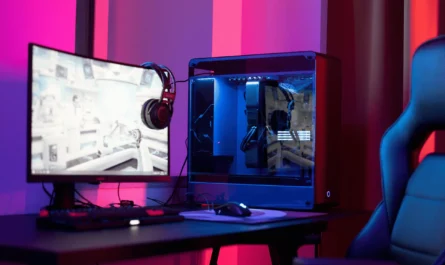
For PC gamers, finding the right graphics card at a reasonable price can be a daunting task. The market is notorious for its fluctuations, driven by factors like supply chain issues, cryptocurrency mining trends, and new model releases. However, understanding how to navigate discounts and avoid markups can save you a considerable amount of money. This guide offers strategies to help you identify genuine deals and make informed purchasing decisions.
Understanding Market Fluctuations
The graphics card market is influenced by various factors that affect pricing. These include:
- Supply and Demand: A high demand combined with limited supply often leads to price increases. This scenario is common around major product launches or during global events that disrupt production.
- Mining Influence: Cryptocurrency mining can significantly impact graphics card availability and pricing. When mining becomes more profitable, demand for GPUs spikes, driving up prices.
- Technological Advances: New graphics card models often lead to price adjustments for older models. Understanding the release cycles can help you time your purchases strategically.
How to Spot Genuine Discounts
Spotting a genuine discount requires some detective work. Here are steps to follow:

Research Historical Prices
Before purchasing, check the price history of the model you’re interested in. Websites and browser extensions that track prices over time are invaluable tools. They can reveal if a discount is truly significant or just a temporary markdown from an inflated price.
Compare Across Retailers
Prices can vary widely between retailers. Always compare offerings from multiple stores, including direct sellers, big-box retailers, and online marketplaces. Keep an eye on return policies and warranty conditions, as these can justify slightly higher prices with some sellers.
Watch for Sales Events
Retailers often offer significant discounts during sales events like Black Friday, Cyber Monday, and mid-year sales. However, not every deal is genuine. Use price tracking tools to verify the authenticity of these discounts.
Avoiding Common Markups
Markups can greatly inflate the cost of a graphics card. To avoid overpaying, consider these tips:
Avoid Panic Buying
During shortages, it can be tempting to purchase a card at a high price out of fear that stock will run out. Patience is key; waiting for supply to stabilize can often lead to better prices.

Look for Bundles
Some retailers offer bundles that include additional components or software. While these can sometimes provide good value, ensure the extras are something you would genuinely use and not just added costs.
Consider Older Models
If you don’t need the latest technology, last year’s models can offer excellent performance at reduced prices. As new models release, older stock often becomes more affordable.
Negotiating Better Deals
Negotiation might seem out of place in retail, but it’s worth trying. Here are some techniques:
Contact the Seller Directly
Especially common with smaller retailers, contacting the seller directly can sometimes yield a discount. They may offer you a better deal to ensure a sale.
Explore Open-Box Options
Open-box items are returned products that are typically sold at a discount. They often come with a complete warranty and have been tested to ensure they work correctly, making them a viable option for cost-conscious buyers.

Final Thoughts
By understanding market dynamics and utilizing smart shopping tactics, you can navigate the complexities of the graphics card market. While it requires a bit of patience and research, these efforts can lead to significant savings and a better gaming experience.

Unlock Full Article
Watch a quick video to get instant access.